Use this concrete cylinder calculator to quickly estimate the volume of concrete needed for cylindrical structures like columns, piers, and footings. Get accurate results in cubic meters, feet, or yards.
This concrete cylinder calculator lets you estimate how much concrete you need for cylindrical shapes like columns or round footings. Enter diameter and height to get instant volume results in your preferred unit.
How to Use the Concrete Cylinder Calculator
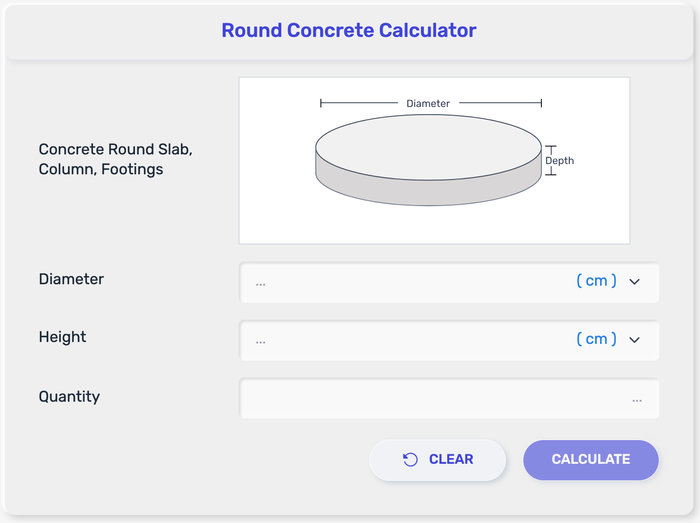
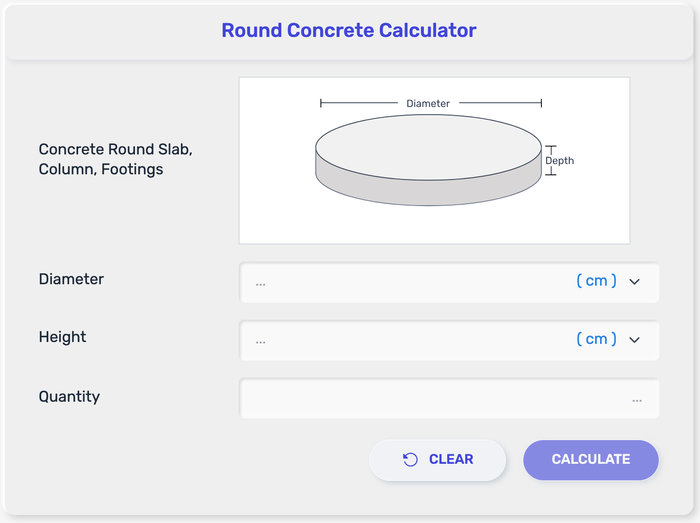
Using the concrete cylinder calculator is simple. You only need a few measurements to get a quick estimate for round concrete pours such as columns, piers, posts, or tube forms. If you already know the diameter and height, the tool can return the concrete volume in just a few clicks.
Follow these steps:
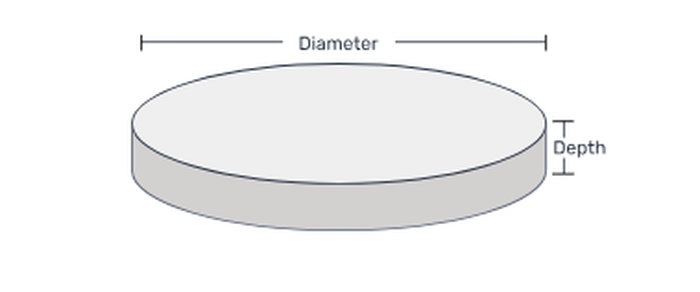
Enter the diameter of the cylinder. This is the full width of the round shape from one side to the other.
Input the height or depth of the cylinder, depending on how your project is measured.
Choose the unit of measurement you want to use, such as inches, feet, or meters.
Click the “Calculate” button to process the values.
Check the result to see the estimated concrete volume in cubic units.
For the most accurate result, use the same unit for every input and double-check your measurements before calculating.
What This Concrete Calculator for Cylinder Can Calculate
This tool is made for round concrete shapes where the base is a circle and the sides run straight up and down. That makes it a practical choice for many common building and repair jobs, from small backyard projects to larger structural work.
You can use it to estimate concrete volume for:
Concrete columns used in residential or commercial construction
Round footings that support posts, poles, or structural loads
Concrete piers for decks, fences, and raised platforms
Drilled shafts and other deep cylindrical pours
Sonotubes or tube forms often used for posts and supports
A concrete cylinder calculator can also display results in different volume units, depending on how the tool is built. That makes it easier to switch between jobsite measurements and supplier requirements.
What the Result Means
After entering your measurements, the concrete cylinder calculator gives you the total volume of concrete required for that specific cylindrical shape. This number represents the exact amount of space that needs to be filled with concrete based on the diameter and height you provided.
The result is usually shown in one of these units:
Cubic meters (m³) – commonly used in large-scale or metric-based construction
Cubic feet (ft³) – suitable for smaller or detailed calculations
Cubic yards (yd³) – standard unit when ordering ready-mix concrete
Here’s how you can use that result in real situations:
Estimate how much concrete to order from a supplier
Plan your budget based on volume
Convert volume into number of concrete bags for DIY projects
Adjust dimensions if the amount feels too high or too low
If you are working on multiple cylinders (for example, several posts or piers), simply multiply the result by the number of units to get the total volume needed.
Keep in mind that the calculator gives a precise volume, but in practice, many builders add around 5–10% extra to cover spillage, uneven ground, or small measurement differences.
Common Use Cases of a Concrete Cylinder Volume Calculator
A concrete cylinder calculator is often used when working with round forms where accuracy matters but calculations need to stay quick and practical. Whether it’s a small DIY task or part of a larger build, this type of tool fits naturally into many situations.
Here are some of the most common ways people use it:
Installing fence posts Calculate how much concrete is needed to secure each post firmly in the ground.
Building deck supports Estimate volume for cylindrical footings that hold up beams and joists.
Pouring concrete columns Used in structural construction where round columns are required.
Creating foundation piers Ideal for raised structures, sheds, or small buildings.
Using sonotubes or tube forms Quickly determine how much concrete is needed before pouring into cylindrical molds.
Small home improvement projects Garden structures, pergolas, or sign posts often rely on round concrete bases.
This kind of concrete calculator for cylinder is especially useful during the planning stage, where quick adjustments to size or depth can change the total material needed.
Formula for Calculating Concrete Cylinder Volume
If you want to see how the calculation works behind the tool, the volume of a cylinder is based on its circular base and height.
Volume = π × (Diameter ÷ 2)² × Height
This means you take half of the diameter (to get the radius), square it, then multiply by π and the height.
👉 In simple terms, the formula calculates how much space is inside a round column shape.
Most people prefer using a concrete cylinder volume calculator instead of doing this manually, especially when working with different units or multiple cylinders.
Typical Sizes for Cylindrical Concrete Structures
Cylindrical concrete elements come in different sizes depending on the type of project. Having a rough idea of standard dimensions makes it easier to plan and get faster estimates when using a concrete cylinder calculator.
Here are some common size ranges:
Fence posts: Typically range from 6 to 12 inches in diameter, depending on the height of the fence and soil conditions.
Deck footings: Usually between 10 and 16 inches in diameter, designed to support vertical loads from beams and joists.
Concrete piers: Often fall within 12 to 24 inches in diameter, especially for raised structures or small foundations.
Structural columns: Sizes can vary widely based on engineering requirements, load capacity, and building design.
Using these typical dimensions as a starting point can speed up your calculation process and give you a quick estimate before finalizing exact measurements.
Concrete Cylinder in Real Construction and Strength Testing
Concrete cylinders are not only used as a geometric shape for volume calculations, but also play an important role in real construction work. When you use a concrete cylinder calculator, you are estimating how much material is needed for columns, piers, or round footings. However, in actual projects, concrete cylinders are also used after pouring to verify the quality of that material.
In construction practice, fresh concrete is poured into cylindrical molds to create test samples. These samples are cured over time and then tested to measure compressive strength. The goal is simple: confirm that the concrete used on-site can handle the required load and meet safety standards.
This creates a natural connection between calculation and testing:
The calculator tells you how much concrete you need
Test cylinders confirm how strong that concrete is after curing
Both steps are part of the same workflow in real-world construction, from planning to quality control.
To make this easier to visualize, you can embed a video that shows the full testing process in action. A good example is “Concrete Cylinder Compression Test (ASTM C39)”, which clearly demonstrates how a cured concrete cylinder is placed in a compression machine and tested until failure. This gives readers a practical view of how concrete performance is verified beyond just volume calculations.
References
Khan Academy. Cylinder Volume & Surface Area https://www.khanacademy.org/math/geometry/hs-geo-solids/hs-geo-solids-intro/v/cylinder-volume-and-surface-area
Engineering ToolBox. Solids - Volumes and Surfaces https://www.engineeringtoolbox.com/surface-volume-solids-d_322.html
Omni Calculator. Concrete Cylinder Calculator https://www.omnicalculator.com/construction/concrete-cylinder
Omni Calculator. Cubic Yard Calculator https://www.omnicalculator.com/construction/cubic-yard
FAQ
What measurements do I need to use a concrete cylinder calculator?
You usually need two numbers: the diameter and the height or depth. Once those values are entered, the tool can calculate the concrete volume for the cylinder.
Can I use this tool for sonotubes?
Yes. Sonotubes are one of the most common uses for a concrete calculator cylinder. Since the shape is round and vertical, the calculation method is the same.
Does the calculator work for round footings and piers?
Yes. A cylinder concrete calculator can be used for round footings, piers, posts, and similar concrete forms. It is a practical option for both residential and light construction projects.
What unit should I use for the input values?
Use the same unit for every measurement. For example, if the diameter is in inches, the height should also be entered in inches unless the tool converts units automatically. Consistent input gives a more reliable result.
About us
concretecylindercalculator.com is designed to help users quickly estimate the volume of concrete needed for cylindrical structures and pours. Whether you're working on columns, piers, footings, or other round concrete forms, this tool makes it easier to plan materials accurately and avoid unnecessary guesswork.
This tool was created by the concretecylindercalculator.com team, with contributions from developers, construction content specialists, and digital tool builders who focus on making practical calculation tools more accessible and efficient for everyday use.
Policy
We aim to keep this tool practical, transparent, and dependable for real-world use.
Data and Privacy
concretecylindercalculator.com tool does not require accounts or personal information. Any dimensions or values you enter are used only to perform calculations and are not stored or shared.
Estimation Accuracy
This tool provides calculated volume estimates based on cylindrical formulas and your input values. Actual concrete requirements may vary due to factors such as formwork, spillage, compaction, and on-site conditions. It’s recommended to include a margin for waste when planning materials.
Intended Use
The calculator is intended for estimation, planning, and general reference. It helps simplify material calculations but should not replace detailed project specifications, engineering plans, or professional advice.
Updates
We may update or improve this tool and its Policy over time. Any changes will be posted here to ensure the information remains clear and up to date.